Texas is home to some of the nation's largest, wealthiest, and most influential not-for-profit hospital systems. Collectively, these institutions receive billions of dollars in federal, state, and local tax preferences intended to support charitable missions, expand access to care, and improve the health of the communities they serve. Yet many increasingly resemble sophisticated commercial enterprises, generating substantial operating surpluses, expanding through acquisitions, compensating senior executives at levels comparable to Fortune 500 corporations, and exercising significant political influence while providing levels of charity care that often fall well below the value of the public subsidies they receive.
This report examines the structural incentives that permit these practices to persist. It argues that the central challenge facing Texas healthcare is not simply the cost of medical treatment, but the growing disconnects between the public obligations associated with tax-exempt status and the financial behavior of many nonprofit hospital systems. Financial strength is not the problem. Nonprofit hospitals require capital to invest in new facilities, recruit physicians, support research, and respond to public health emergencies. The larger question is whether institutions benefiting from substantial taxpayer support continue to return public value commensurate with those subsidies.
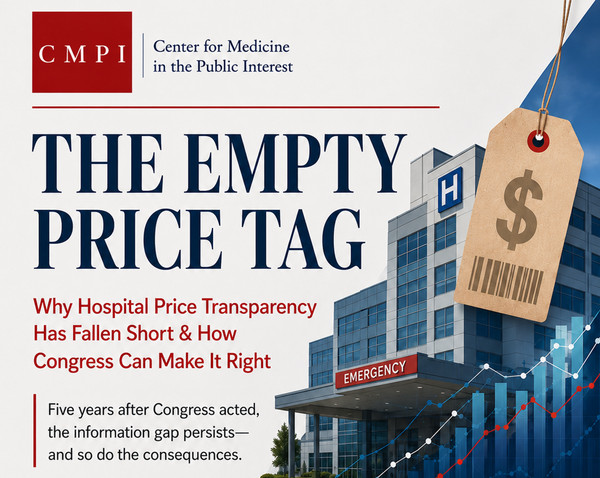
Several trends emerge consistently across Texas. Large nonprofit systems increasingly concentrate on commercially insured patients while limiting participation in lower-paying Medicaid networks. Charity care expenditures frequently represent only a small fraction of overall operating revenues despite rapidly expanding margins and investment portfolios. Hospital pricing remains opaque despite federal transparency requirements, making meaningful comparison shopping virtually impossible for patients, employers, and policymakers. Executive compensation continues to rise while medical debt remains a leading cause of financial hardship for Texas families.
At the same time, hospital associations and individual systems devote substantial resources to lobbying and political advocacy designed to preserve existing reimbursement structures and tax advantages. These developments have consequences extending well beyond hospital balance sheets. They influence insurance premiums, state Medicaid spending, employer healthcare costs, physician practice patterns, and ultimately the affordability of healthcare throughout Texas. They also raise increasingly difficult questions about whether current standards governing nonprofit status continue to reflect the expectations of taxpayers who effectively subsidize these institutions through forgone tax revenue.
The evidence presented in this report suggests that existing oversight mechanisms have not kept pace with the evolution of modern nonprofit healthcare systems. Federal and state regulators continue to evaluate hospitals largely through standards developed decades ago, even as many nonprofit systems have become multibillion-dollar regional enterprises operating across multiple states and competing aggressively for market share. Greater transparency, clearer accountability standards, and more objective measures of community benefit would strengthen—not weaken—the nonprofit hospital sector by ensuring that public confidence keeps pace with institutional growth.
Texas has long positioned itself as a national leader in healthcare innovation, biomedical research, and medical education. Applying the same commitment to transparency, accountability, and measurable public benefit would reinforce that leadership while ensuring that tax-exempt hospitals fulfill both the letter and the spirit of their charitable missions.
READ FULL REPORT HERE